


Maria Cuesta
What if Cities Measured Belonging Instead of Just Visitor Numbers?
What if cities measured belonging instead of just visitor numbers?
Every year, destinations celebrate their tourism results.
More visitors. More hotel nights. More tourism revenue. Longer average stays.
These metrics matter. They tell us whether people are arriving, spending, and staying.
But they don't tell us something just as important:
Are people actually feeling connected to this place?
A city can be full of visitors and still feel empty of connection. High footfall doesn't automatically create stronger communities, resilient local businesses, or people who care about a place beyond a weekend or a holiday.
The numbers tell us about movement. They say far less about belonging.
From counting heads to noticing roots
Remote work has quietly changed the equation. Millions of people are no longer choosing destinations for a one-week holiday. They're choosing places to spend months, sometimes even years.
That changes the question from:
"How do we attract more visitors?"
to:
"How do we help people belong?"
Economic indicators should always remain part of the conversation. But perhaps they shouldn't be the whole conversation.
Imagine if destinations also measured:
- How many newcomers attended a local community event.
- How many people volunteered for a local initiative.
- How many meaningful friendships formed between residents and newcomers.
- How many local businesses gained regular customers rather than one-time visitors.
- How many people extended their stay, or returned, because they felt part of the community.
These are softer metrics, but they reveal something that is much harder to fake: a genuine relationship between people and place.
What people really remember
Over the past six years building communities for digital nomads and remote workers, we've noticed something consistent.
People rarely remember a city because of its skyline or its marketing campaign.
They remember:
- The cafe owner who learned their name.
- The neighbour who invited them to a local celebration.
- The coworking space where a casual conversation became a friendship.
- The meetup where they stopped feeling like strangers.
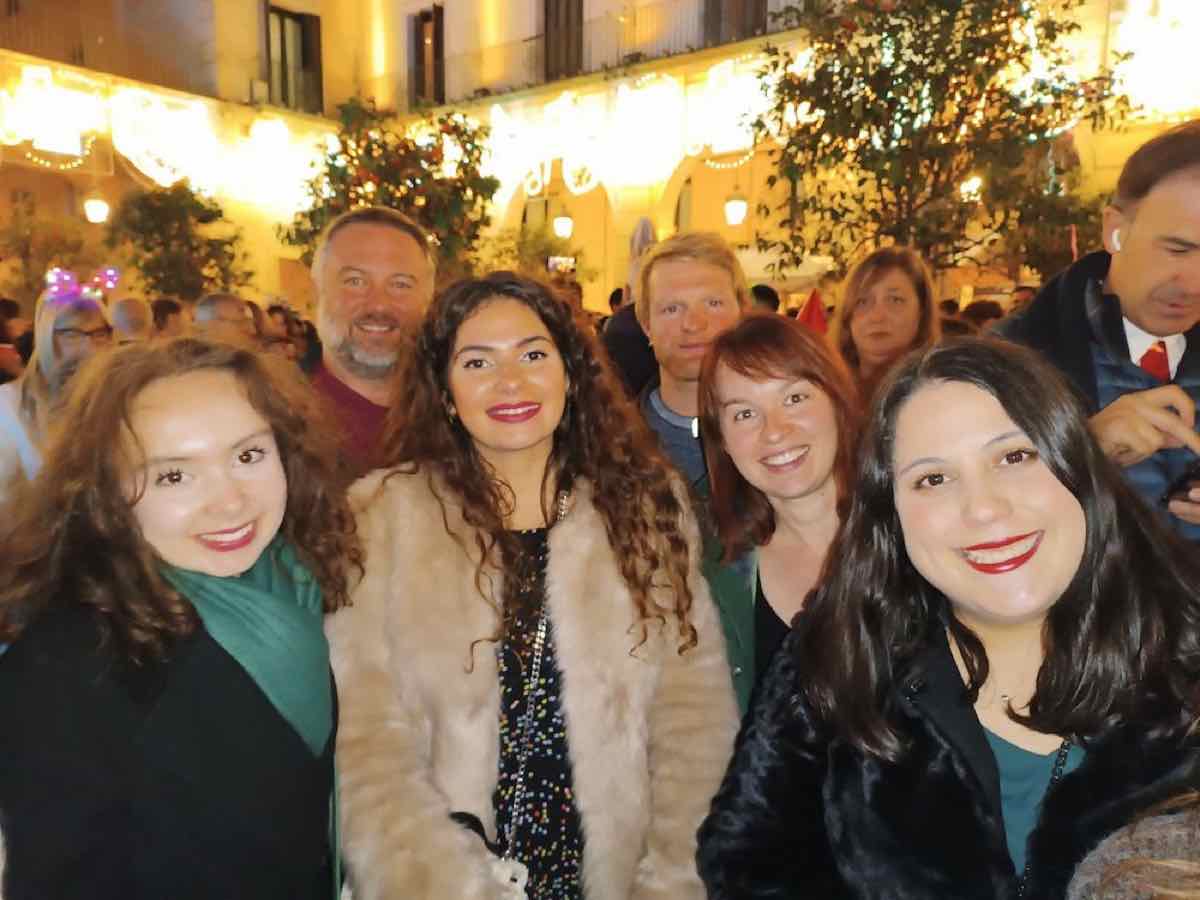
These small moments are the real infrastructure of belonging.
They don't usually appear in tourism reports, yet they influence whether someone decides to stay longer, come back, recommend the destination to others, or even build part of their life there.
A different way to define success
Destinations are often marketed like products, with beautiful campaigns, memorable slogans, and carefully curated experiences designed to attract visitors.
But the places people remember most aren't necessarily those with the biggest marketing budgets.
They're the ones where they felt welcomed.
Included.
Connected.
Interestingly, the World Travel & Tourism Council has also begun exploring belonging as part of the future of travel through its work on diversity, equity, inclusion, and belonging. It's an encouraging sign that the industry is starting to look beyond visitor numbers alone.
Perhaps it's time to expand the questions we ask.
Not just:
- How many tourists came?
- How much did they spend?
- How many nights did they stay?
But also:
- How many people found a community?
- How many meaningful local connections were created?
- How many left feeling they belonged?
- How many came back because of the people, not just the place?
Because visitor numbers tell us who came.
Belonging tells us who stayed, contributed, returned, and became part of the story.